 Add Row
  Add
Add 




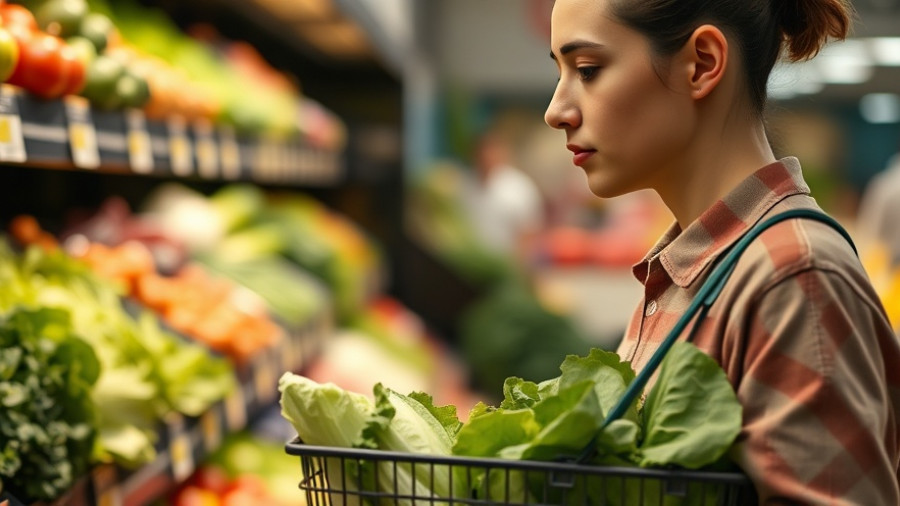
The Impact of Tax Rises on Food Prices
The UK's leading supermarket chains, including Tesco, Sainsbury's, and Morrisons, have issued a stark warning about the potential consequences of tax increases on their operations and, ultimately, consumers. In a letter addressed to Chancellor Rachel Reeves, these retailers expressed that significant tax changes could exacerbate already high food prices, placing a further burden on households.
The concern comes as Reeves prepares for a crucial Budget announcement on November 26, where tax increases are expected to help cover a reported £22 billion shortfall in public finances. Retail executives point to a specific proposal for a 'business rates surtax' aimed at large commercial properties, which could notably impact supermarkets and distribution centers, further driving up consumer prices.
Who Will Bear the Burden?
With the new tax measures, smaller retailers are projected to benefit from reduced business rates, displacing the financial burden onto larger supermarkets that contribute significantly to the sector's overall tax base. According to the British Retail Consortium (BRC), large retail stores, while making up a small percentage of the total retail locations, account for about one-third of the industry's total business rates. BRC chief executive Helen Dickinson has stated that supermarkets are already navigating significant financial strain, estimating over £7 billion in additional costs over the next year alone due to various factors, including heightened National Insurance contributions.
The Bigger Picture: Inflation and Supply Chain Challenges
Food inflation has proven to be stubbornly high, peaking above 19% in the past year. Staples, including butter and milk, have seen price hikes between 12% and 19%. Analysts at the Institute for Fiscal Studies highlight the intertwining of tax pressures and global supply chain disruptions, with factors such as poor harvests and rising transportation costs continuing to challenge the sector.
Chancellor Reeves has previously committed not to impose further tax hikes after a substantial £40 billion tax package in her last budget. However, the need for additional tax revenue seems inevitable as government borrowing costs rise in tandem with low growth forecasts. This scenario places pressure on both policymakers and retailers who aim to keep essential goods affordable for consumers.
Potential Outcomes and Consumer Consequences
As supermarkets brace for these potential changes, the call to address the imbalanced tax burden becomes increasingly urgent. As conveyed by Ken Murphy, CEO of Tesco, “enough is enough” regarding the taxation of business operations. With soaring costs threatening the affordability of everyday items, retailers are urging the government to reconsider its approach to taxing larger businesses, which could be pivotal in curbing further food price inflation.
In navigating this landscape, financial institutions, service providers, and consumers must remain vigilant regarding the development of fiscal policies, particularly those affecting food prices. The ongoing competition for consumers' discretionary income means that any sustained increases in food prices will significantly influence household budgets and spending behaviors.




Write A Comment